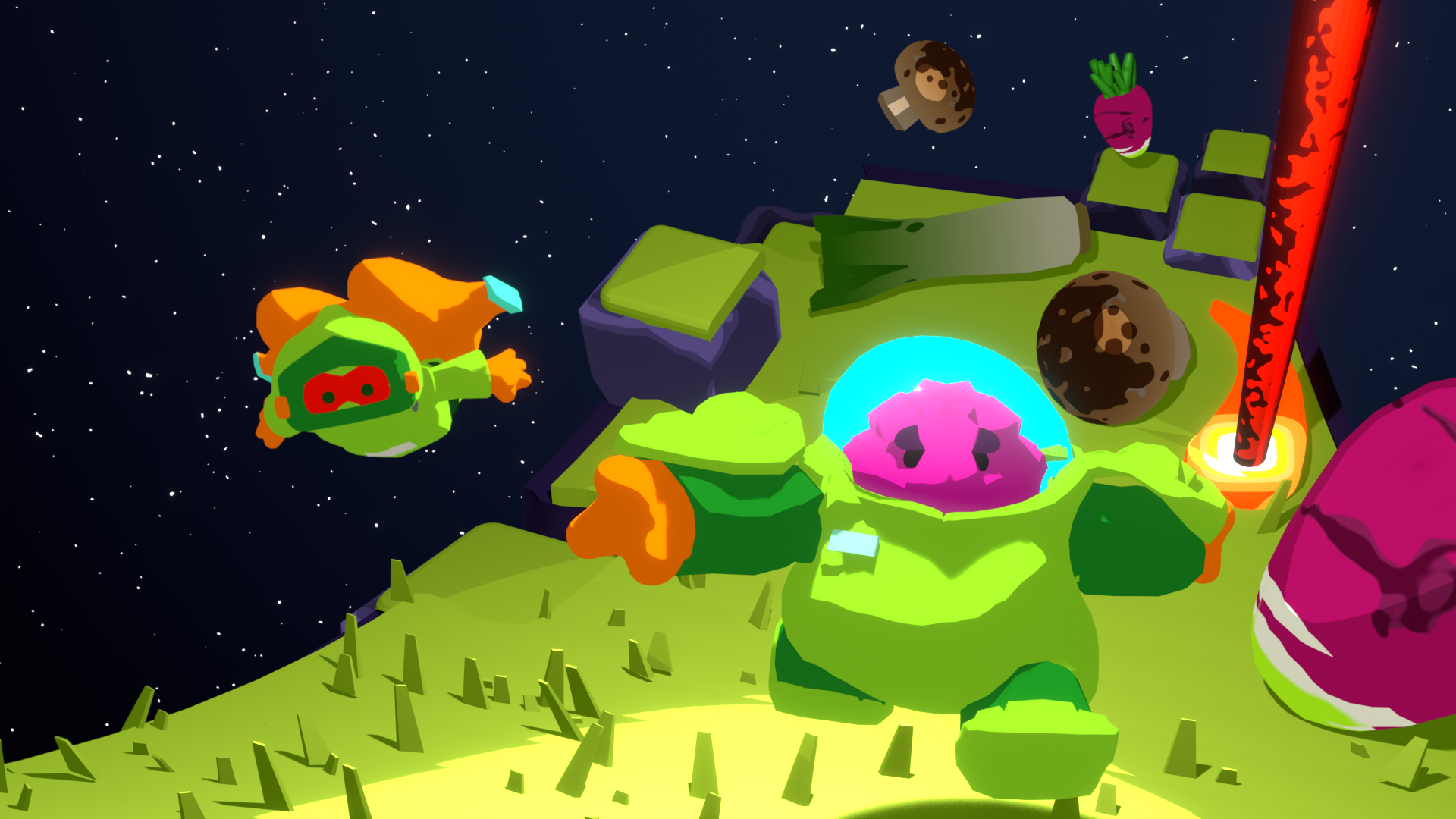
Case Study
Character Select Screen
Problem
Unclear Character Identity
During gameplay, players had difficulty understanding what made each character distinct, making the game's requirement to play different characters feel unclear rather than purposeful.
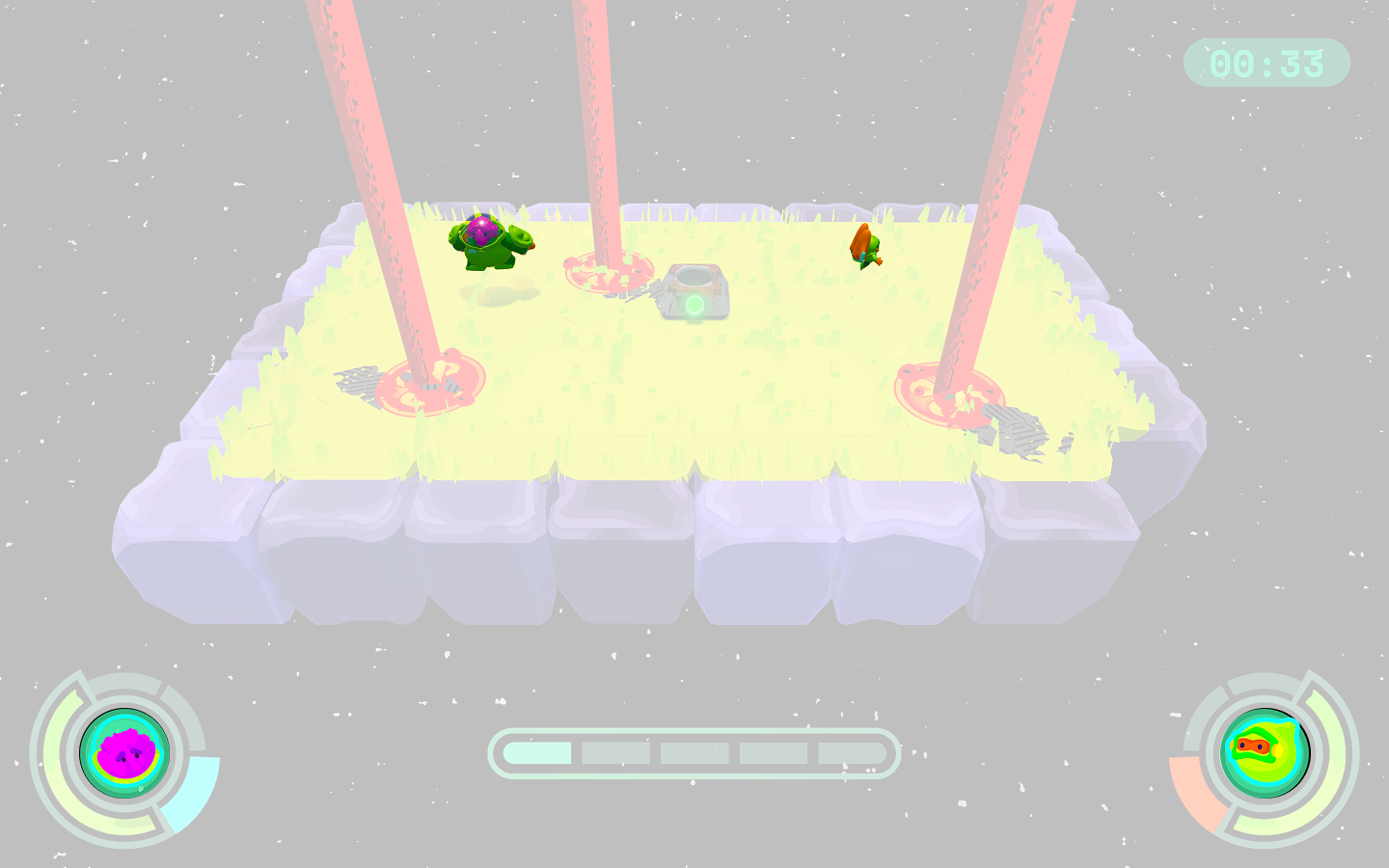
Without prior context, some players couldn't recognize their characters upon starting.
Design Goal
Making Character Identity Legible at Selection
Introduce a character select interaction that helps players connect with and inform their character choices without introducing complex stats or implying character-based "roles".
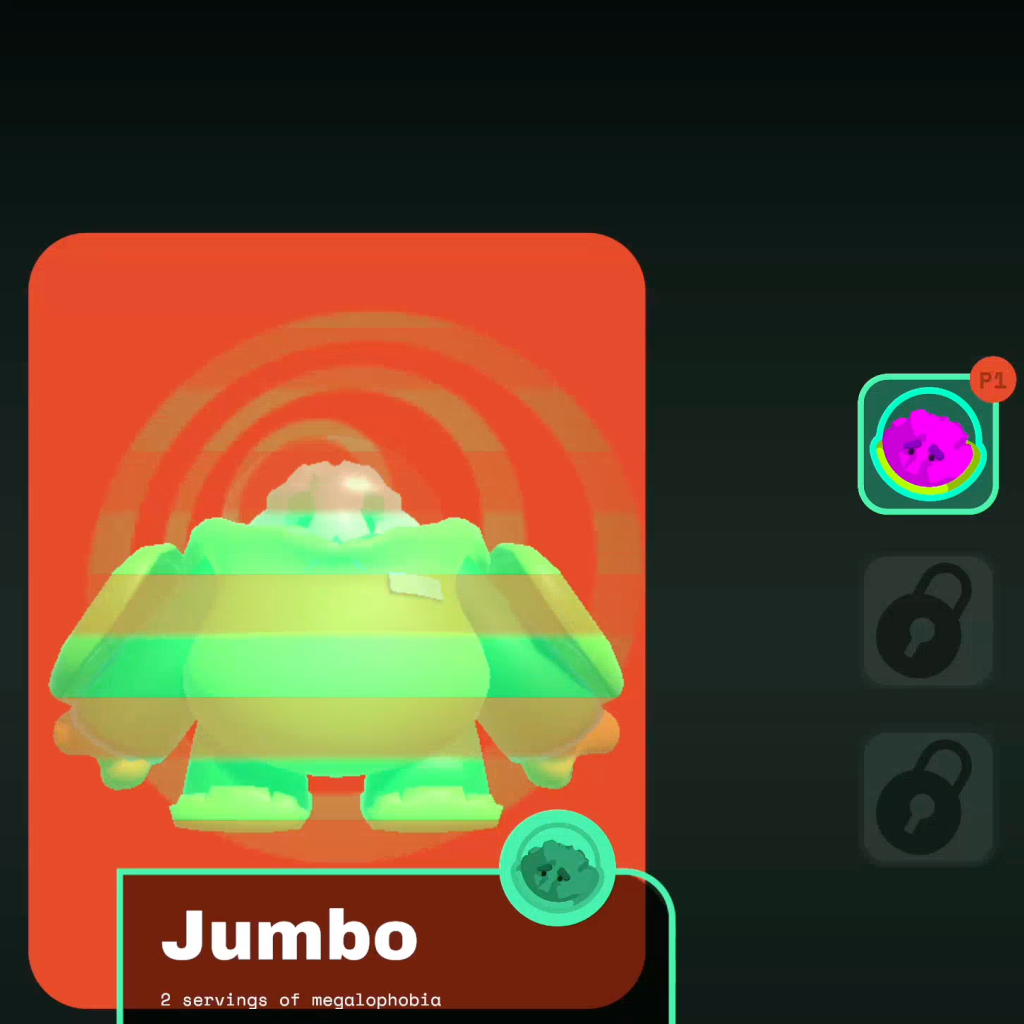
Load
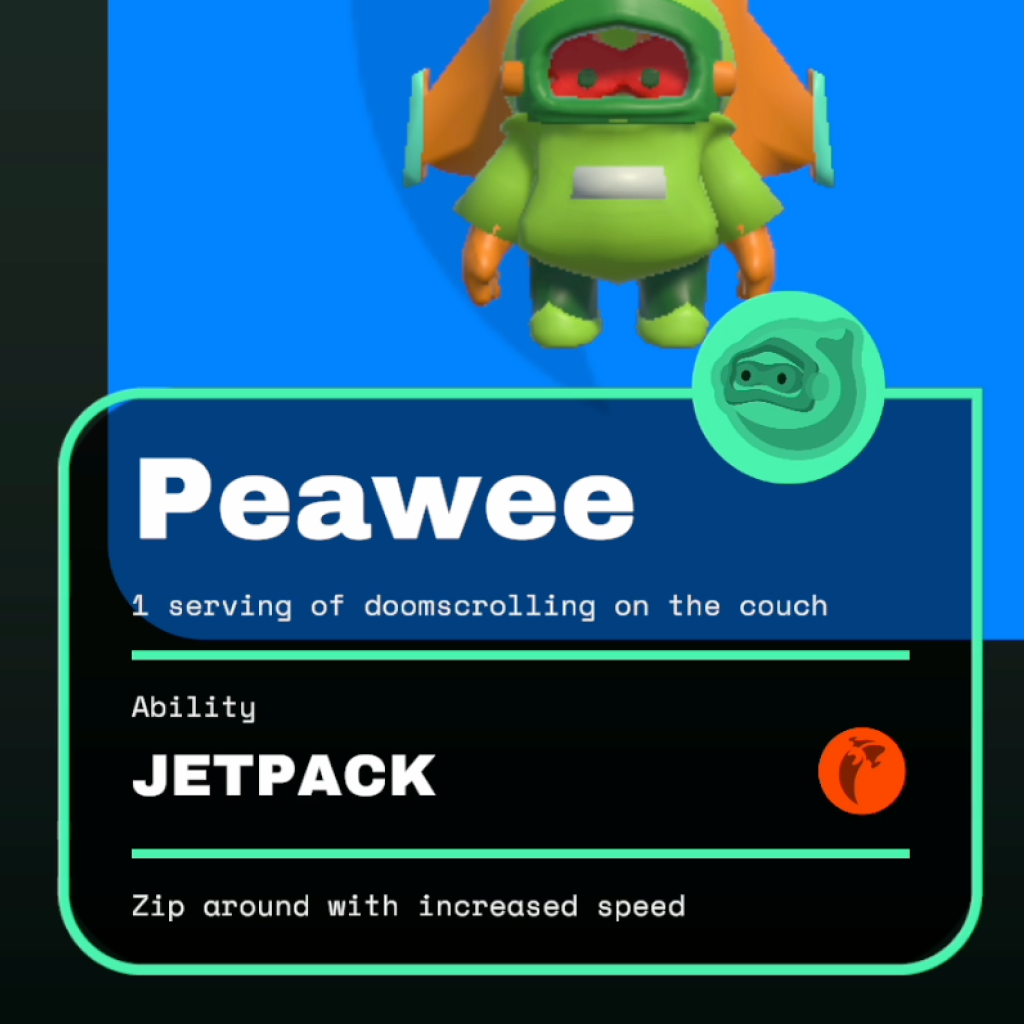
Learn
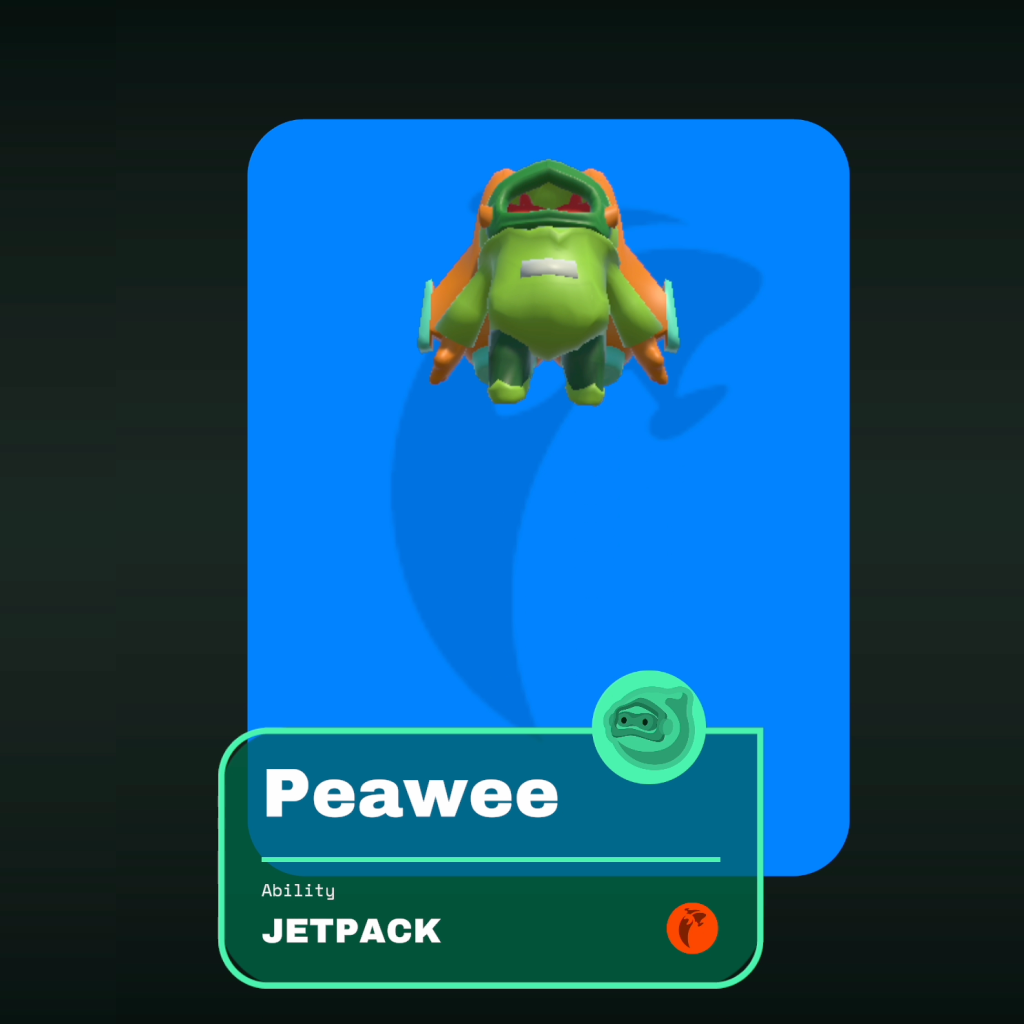
Lock
UX Flow
Individuality
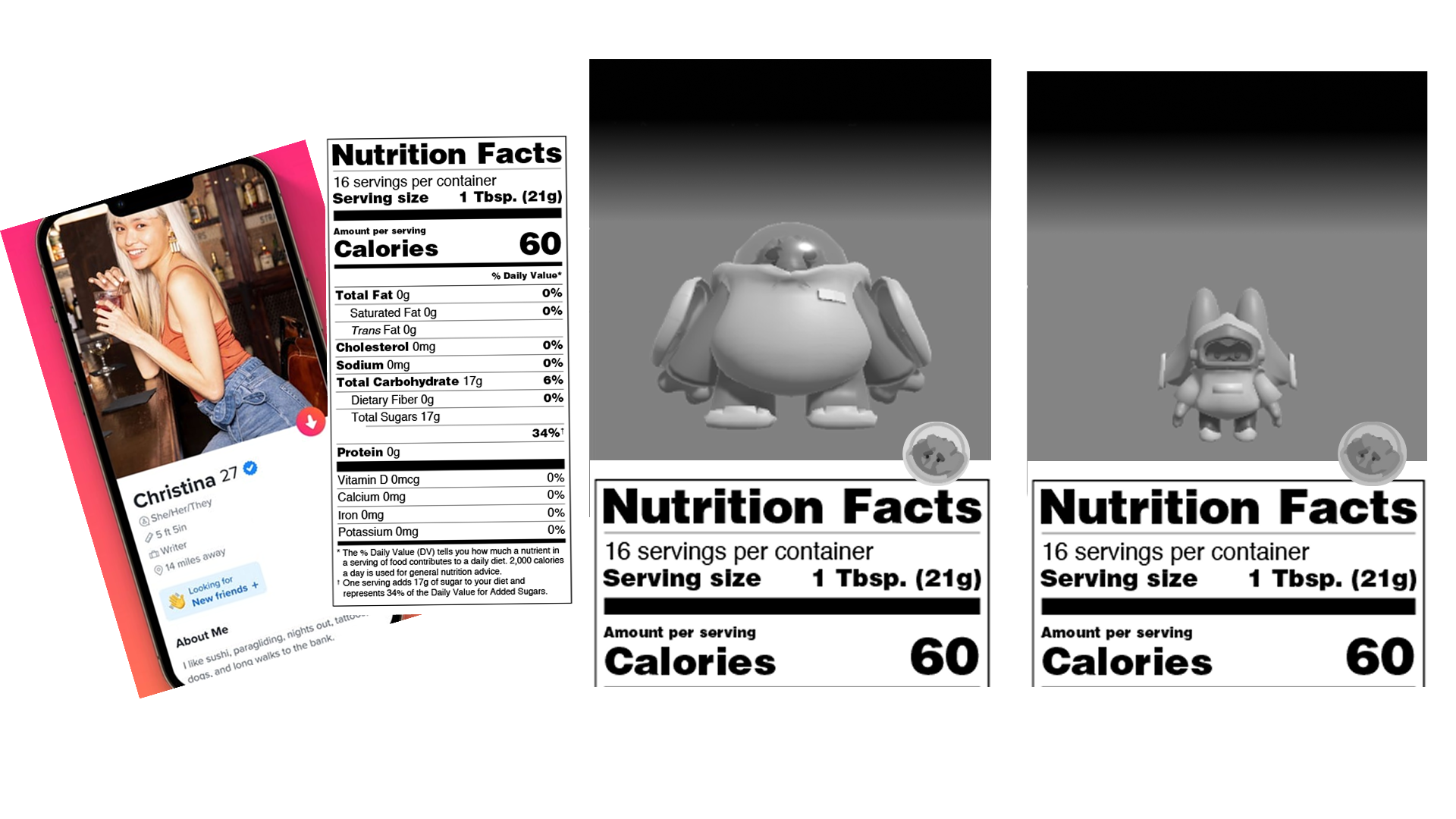
"Nutrition info" panel for each character adds fun facts and iconography to specialize characters without introducing complex roles.
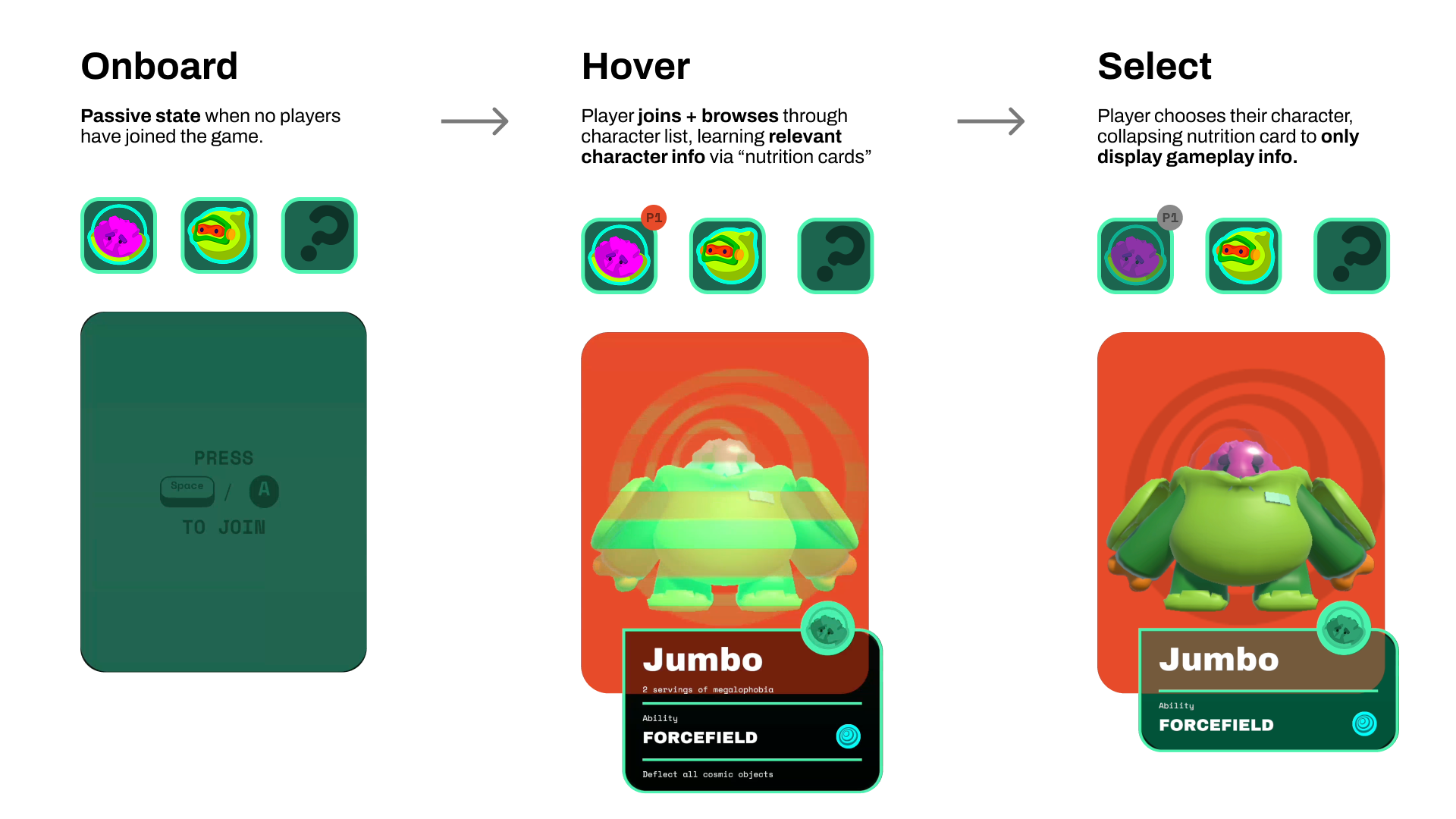
Randomizing character selection for players to try new characters and discover unique traits.
UI Design / Motion
Playfulness
Interactive elements, icons, and motion design bring the character select to life, making the experience engaging and memorable.

Process
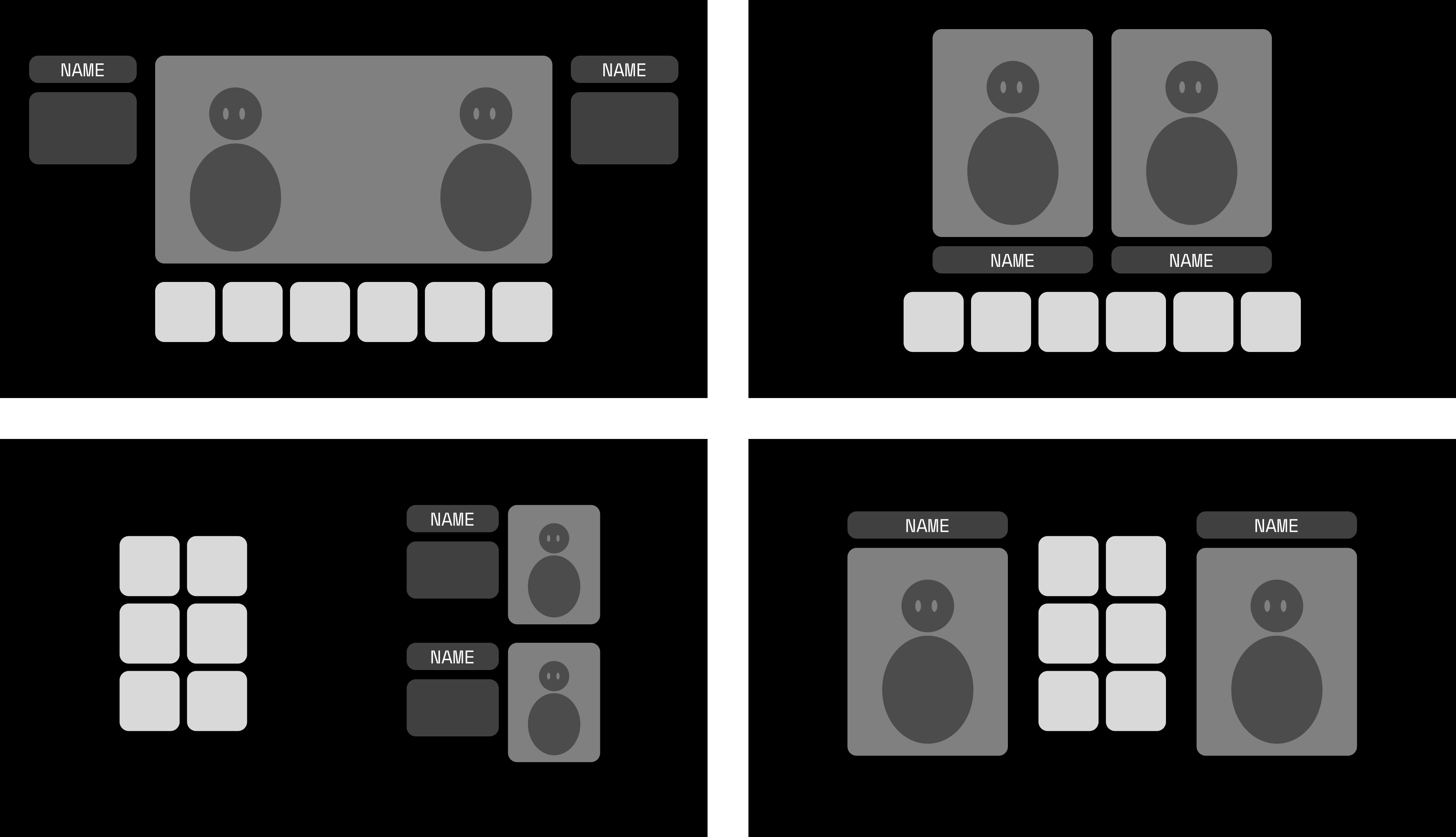
Translating Layout to Experience
This character select evolved through rapid iteration between layout, interaction, and motion. Early prototypes focused on clarity and character legibility, while later explorations refined hierarchy, feedback, and world-building.
Case Study
In Game HUD
Design Goal
Designing Responsive & Readable Interfaces
Create in-game HUDs to deliver brief, impactful information to players without overwhelming the screen or distracting from gameplay. Focused on motion and visual hierarchy for both player-based and team-based information.
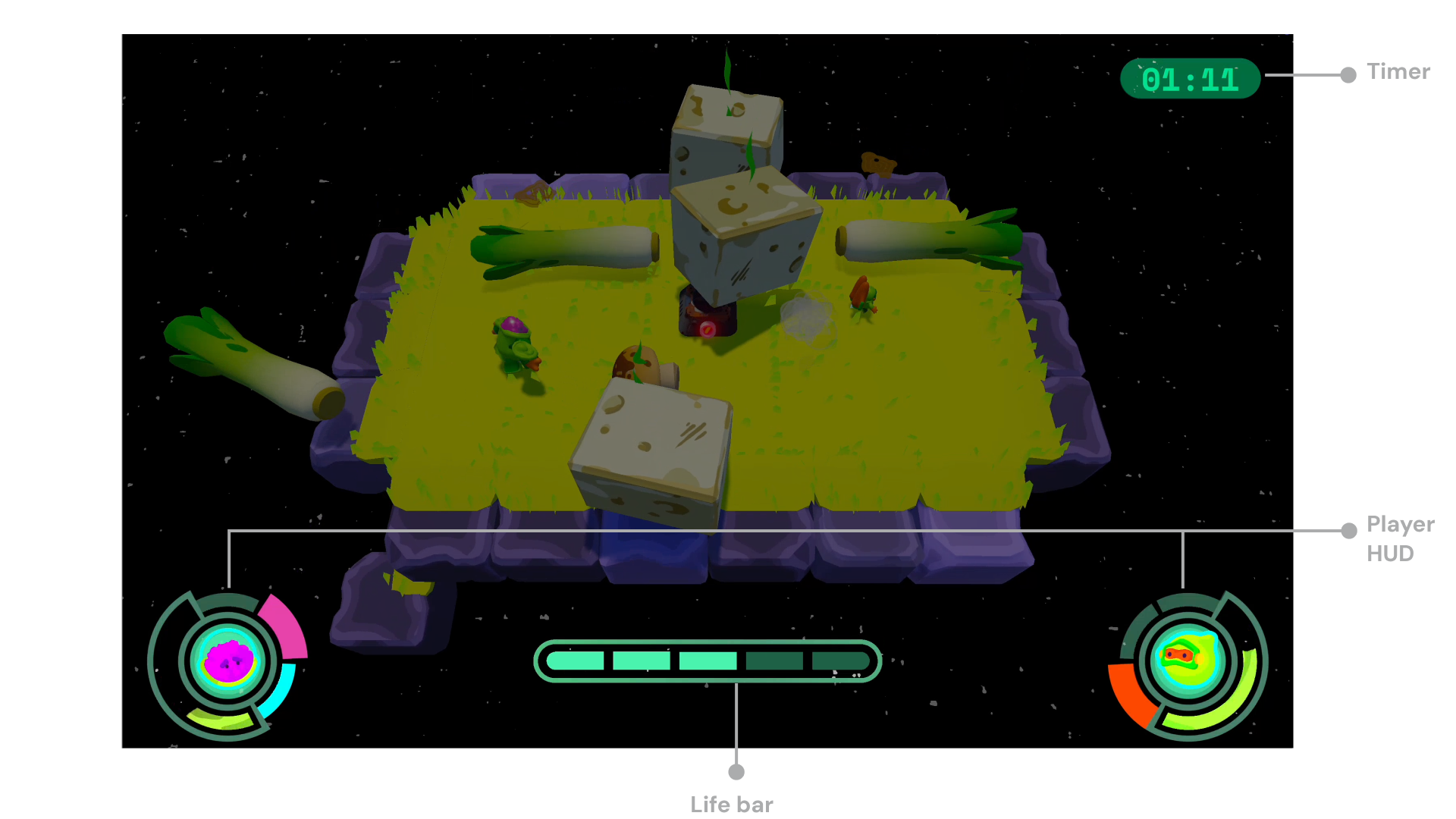
All HUDs are designed in 'areas of least action' for most clarity.
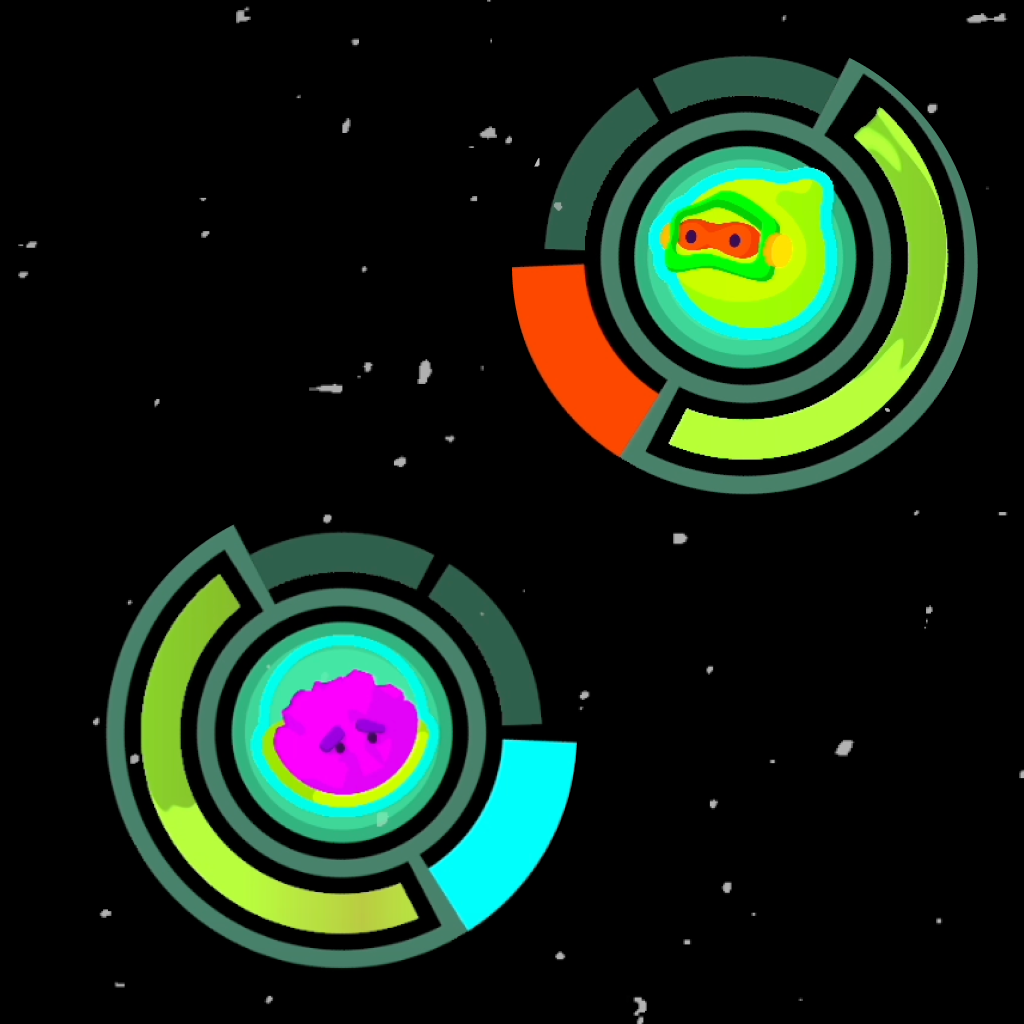
Player-based displays
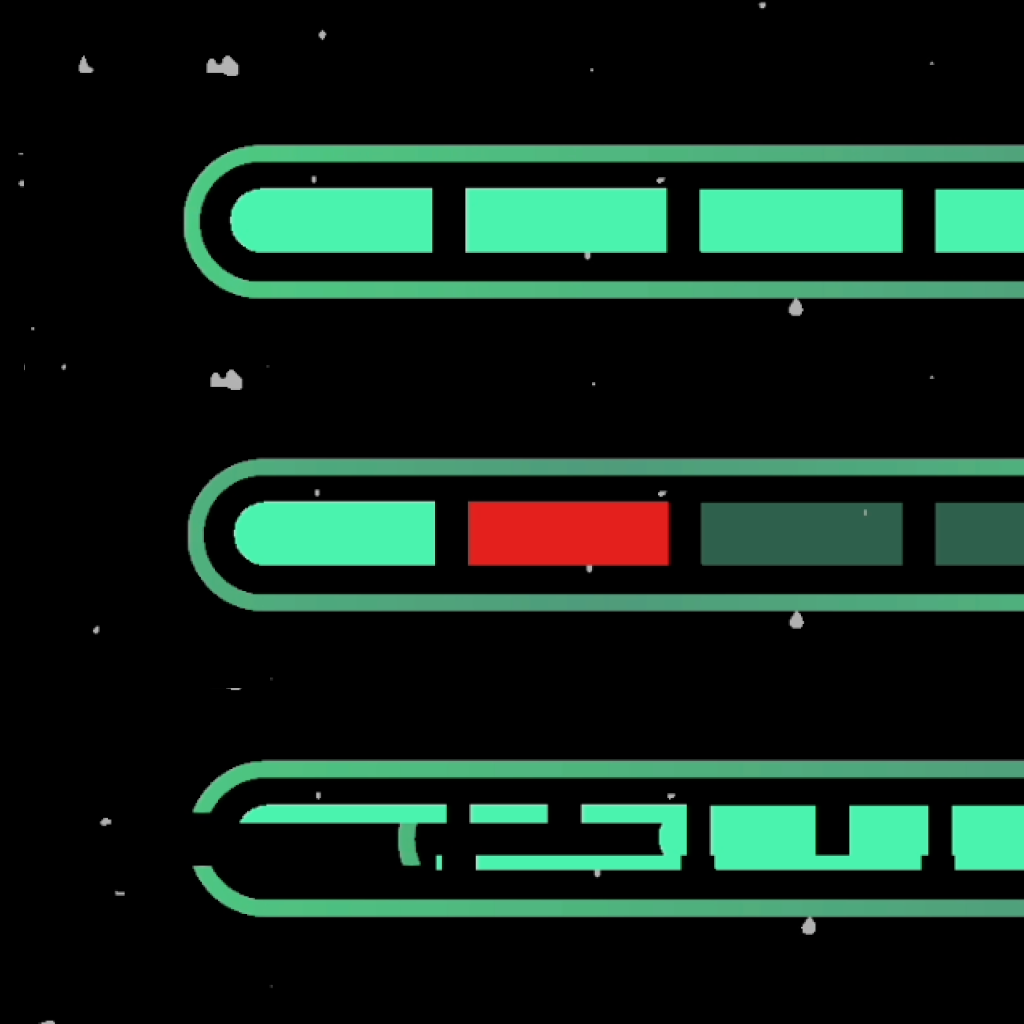
Team-based interface
Player UX
Responsive Player HUDs
Player HUDs provide feedback on power-up status and availability through layout and distinct visual states.
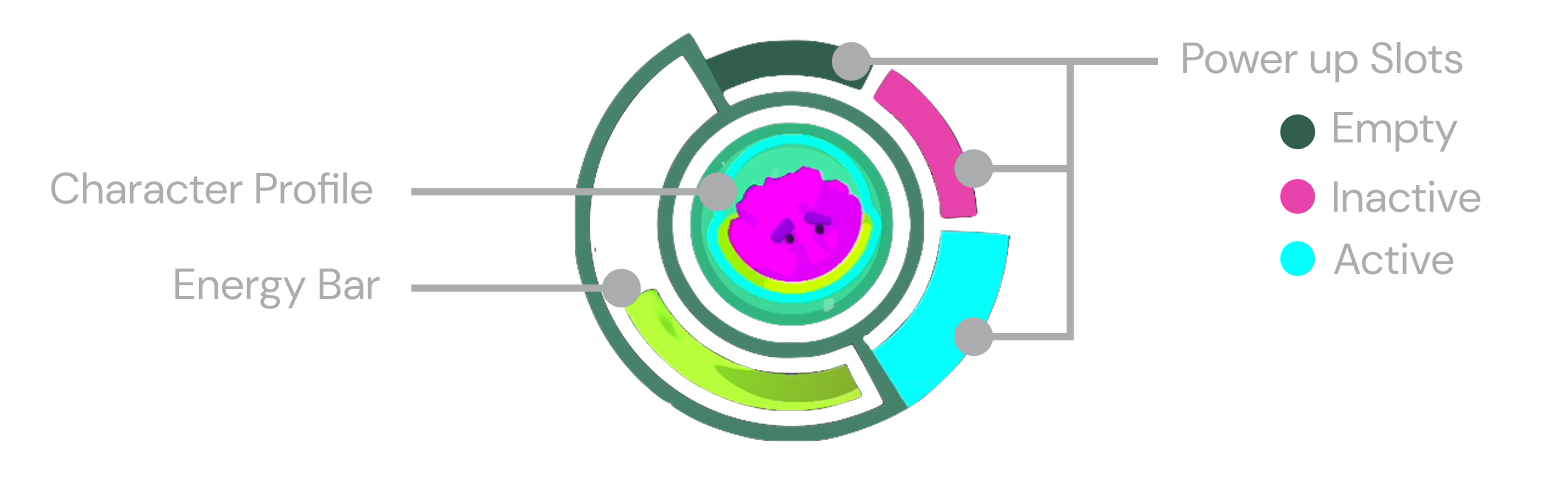
Use power up
Collect new power up
Toggle between power ups
UI Design
Team-based Feedback
For shared player life information, I emphasized impactful feedback as well as passive responsiveness to the game state through glitching effects.
Impactful feedback when a player loses a life.
Subtle glitch responsiveness to game waves.
Case Study
Pause and Ending Screen
Problem
Pause Removed Context When Players Needed It
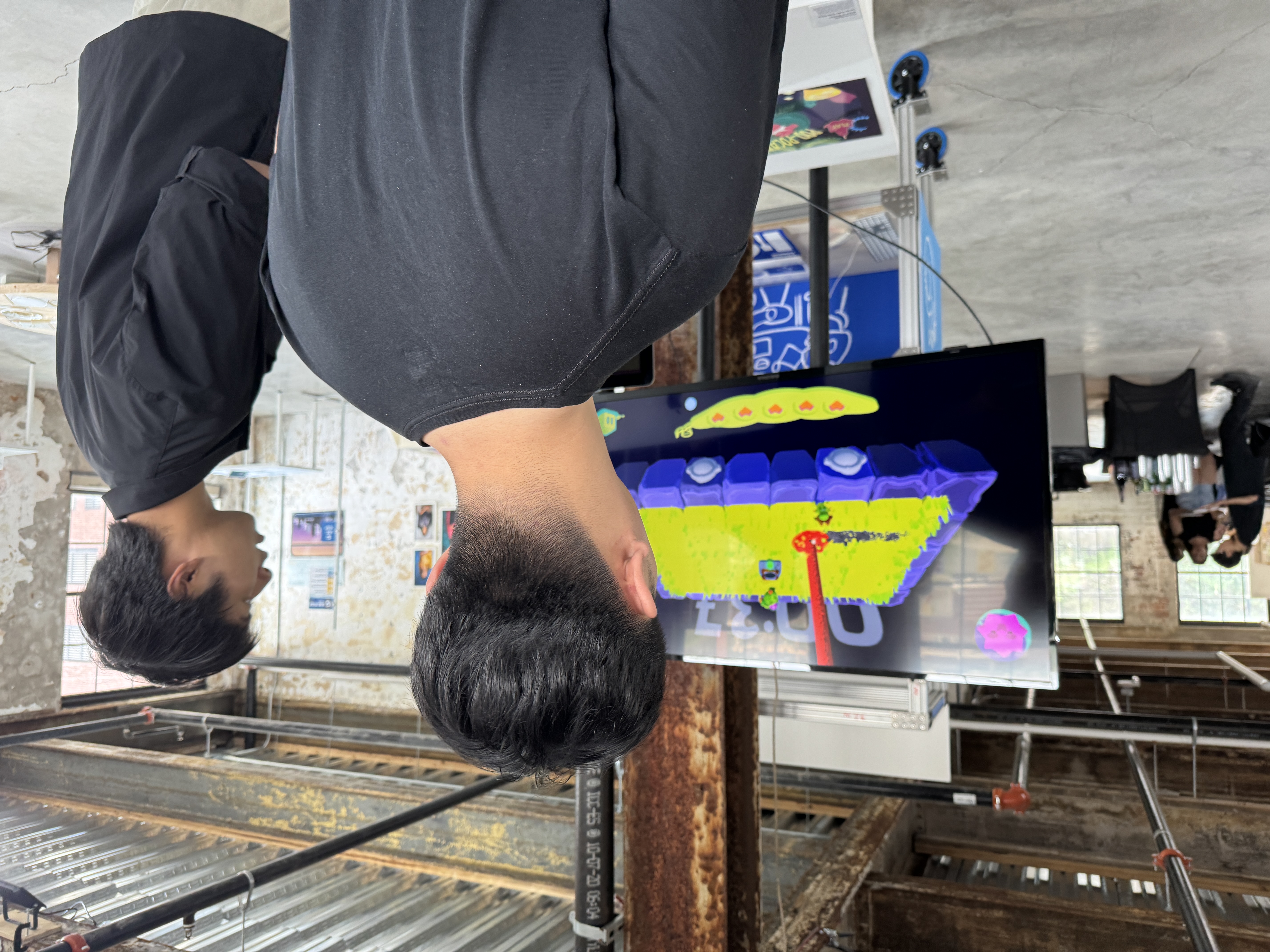
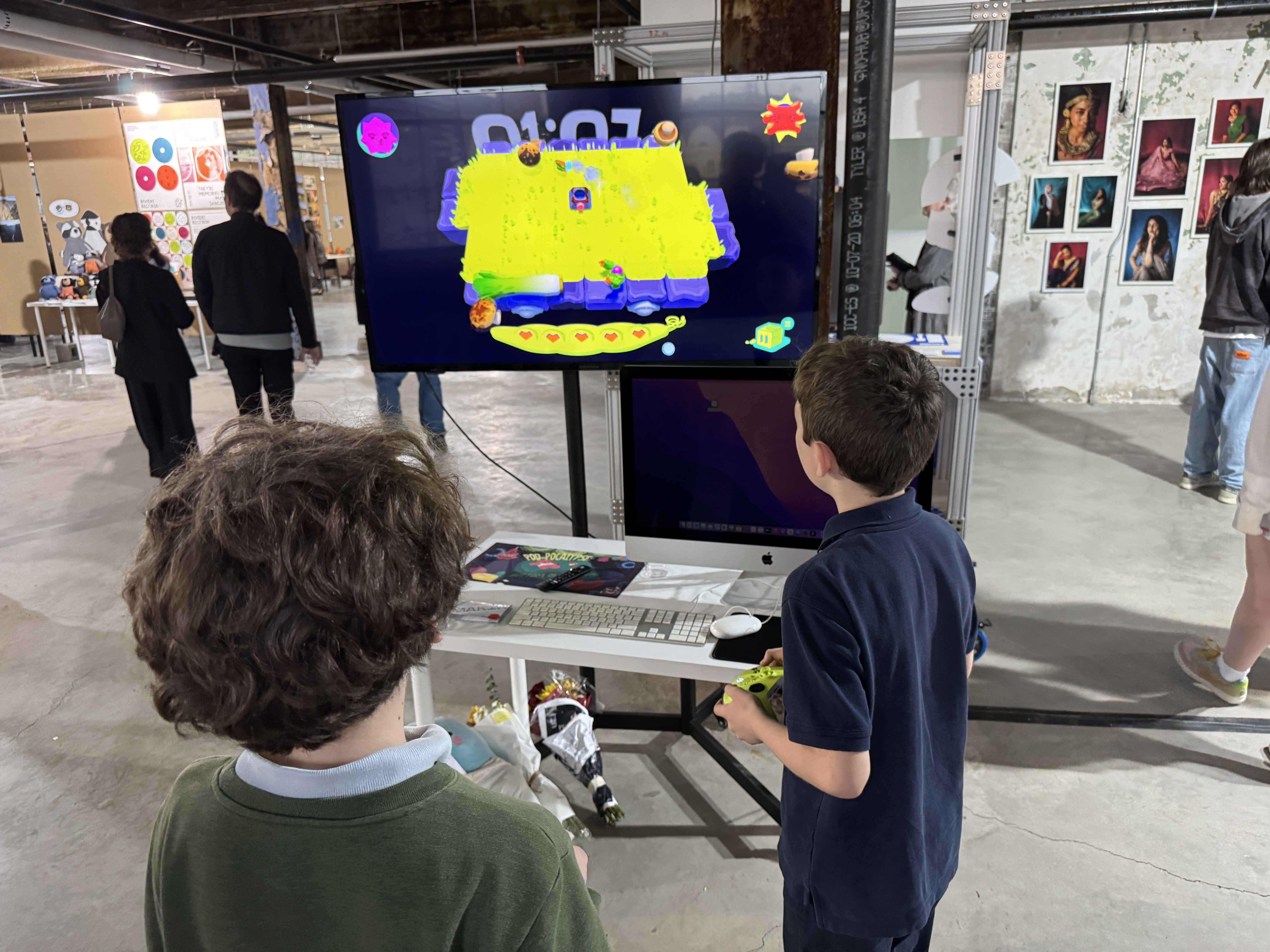
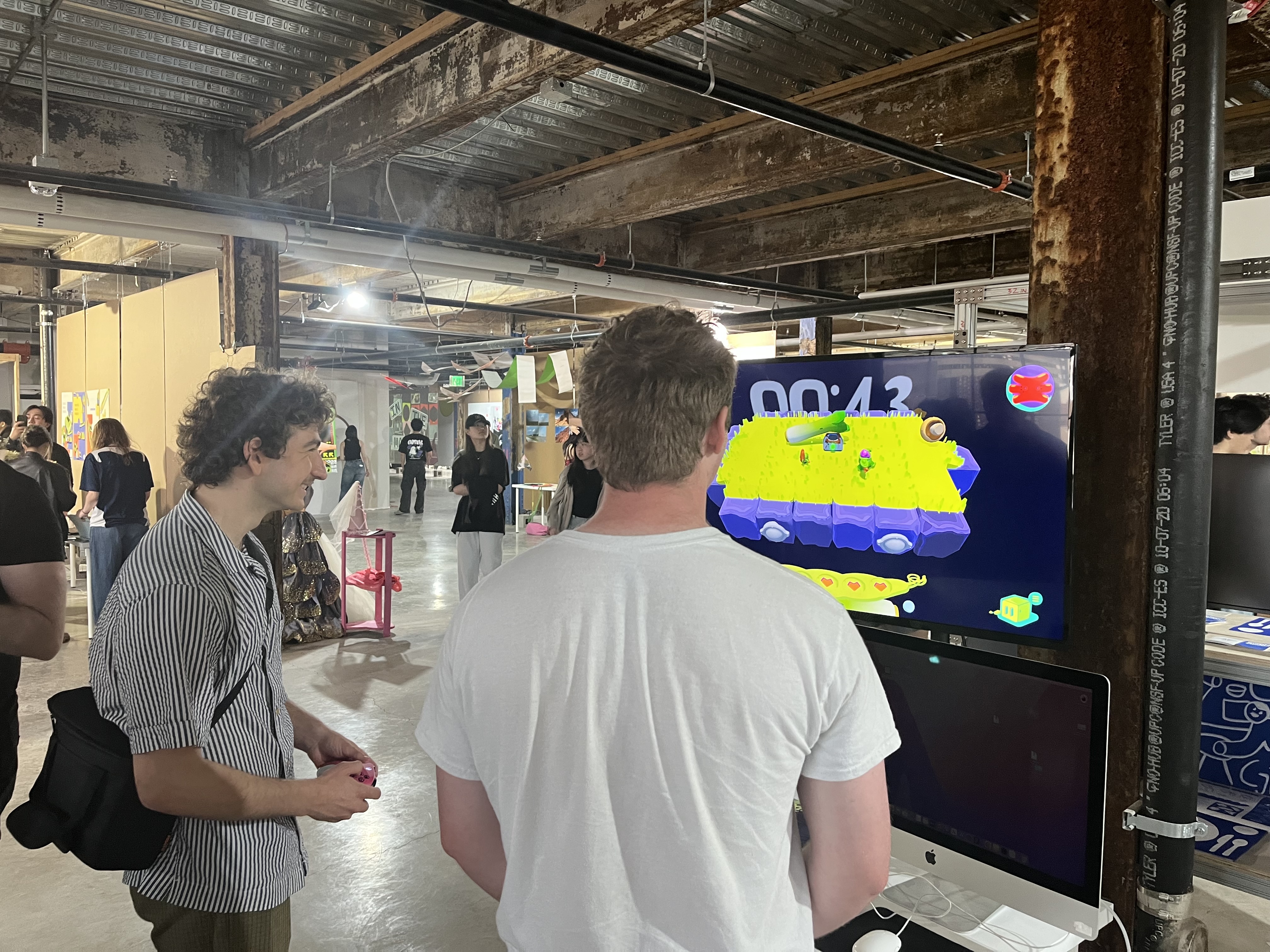
Playtesting revealed that players consistently used pause as a moment to communicate and make sense of on-screen chaos, yet pausing removed the visual context they relied on to do so.
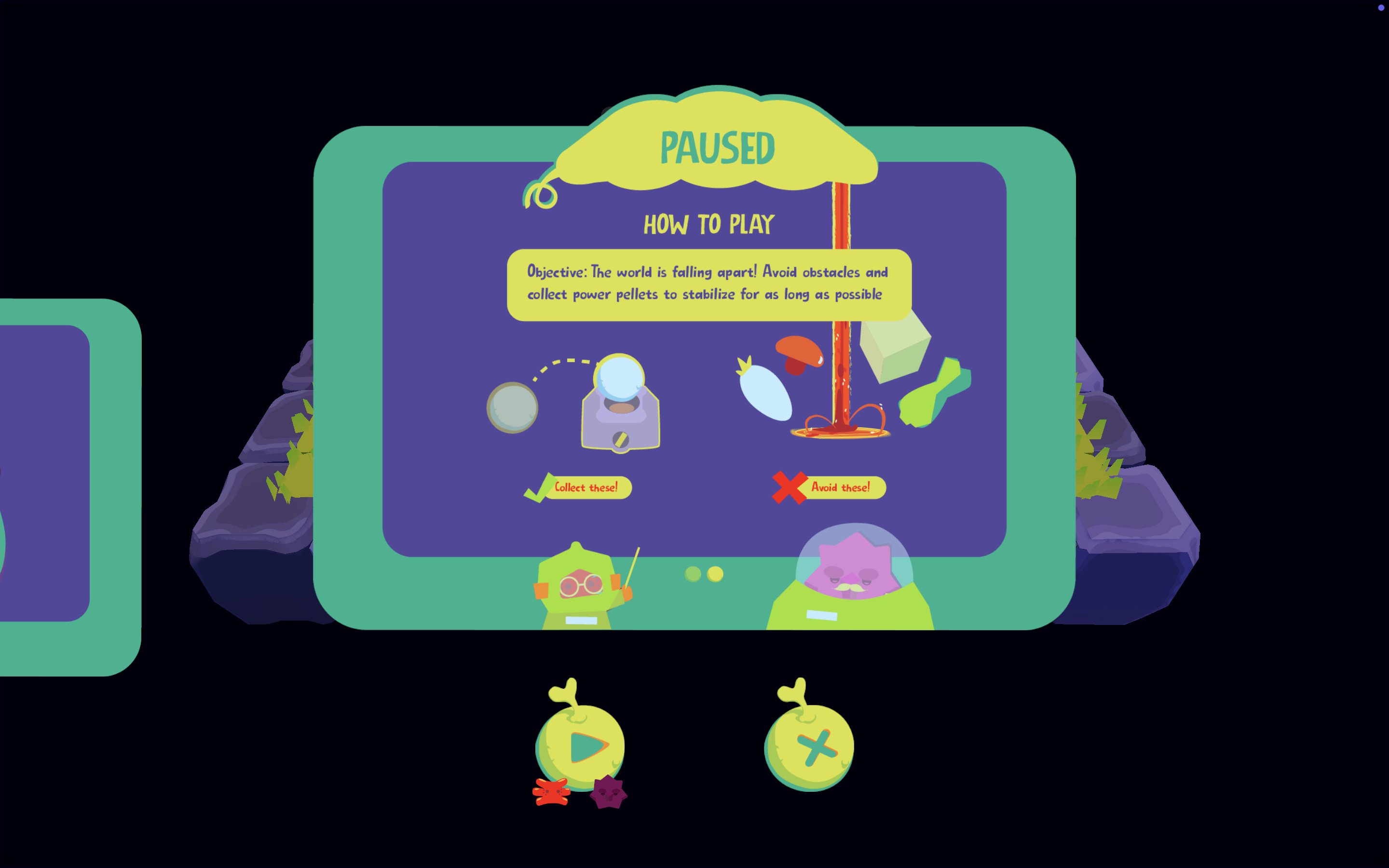
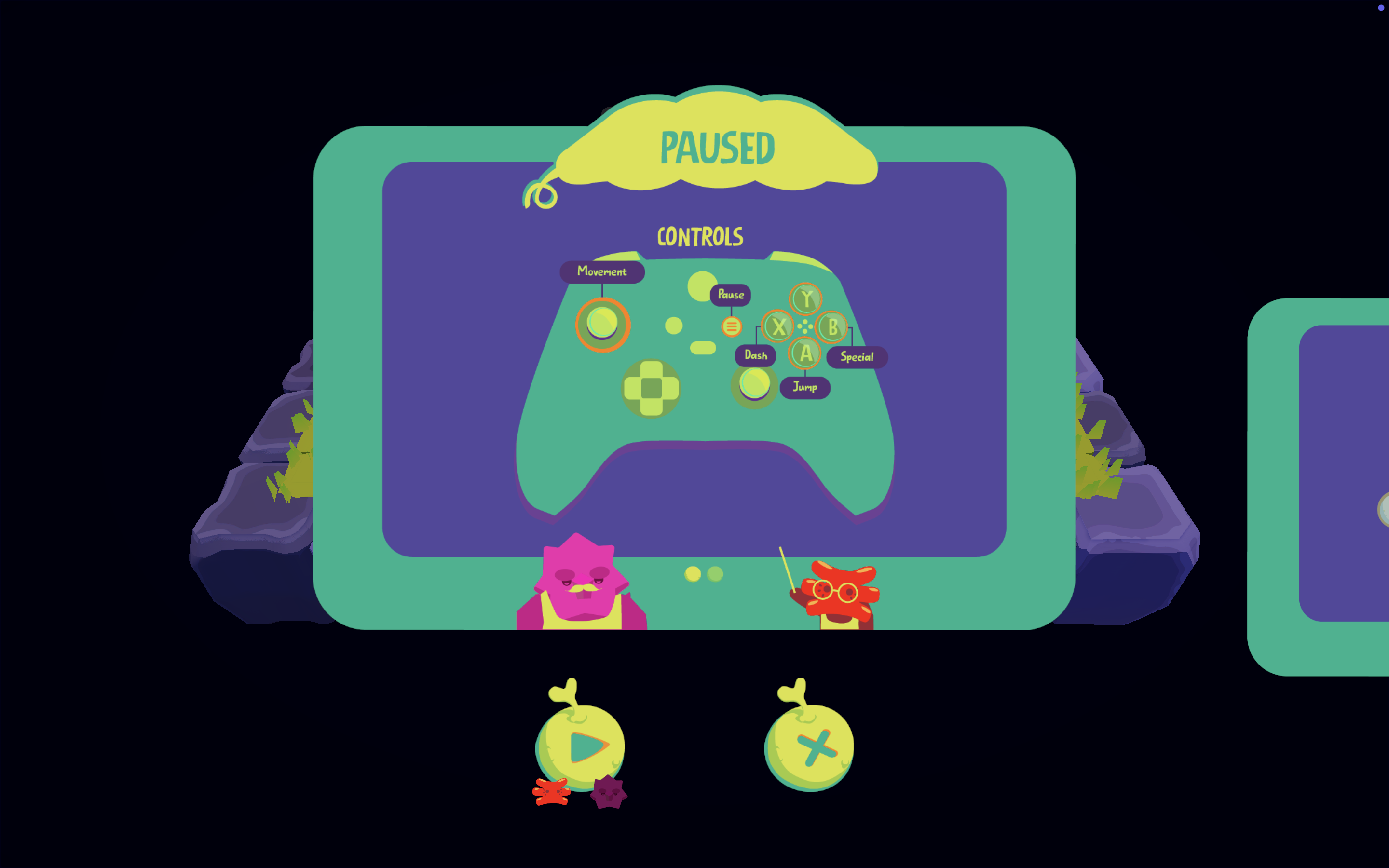
Our previous pause screen was prototyped to show all relevant information at the center.
Design Goal
Framing the Game State During Pause
Design a pause experience that keeps gameplay visible, allowing players to regroup and access information without breaking their connection to the action.
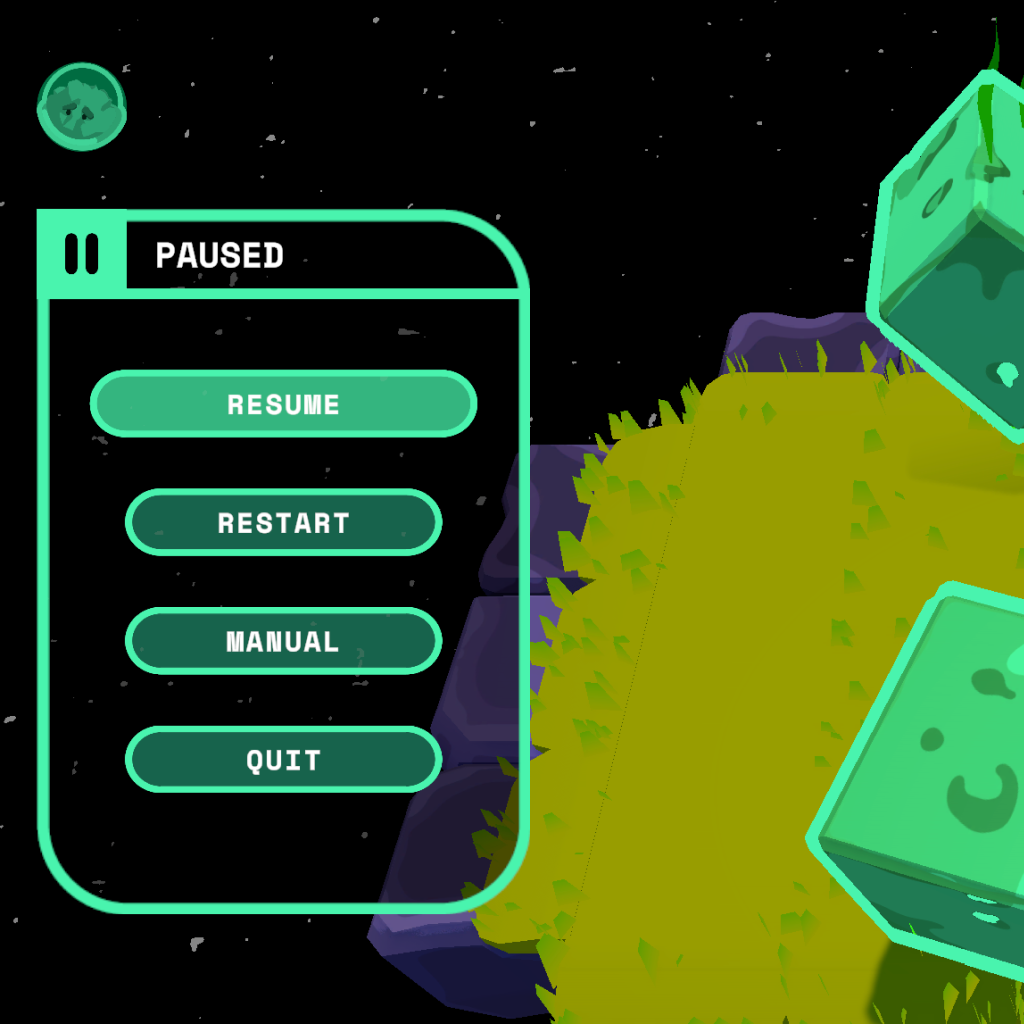
Immediate Actions
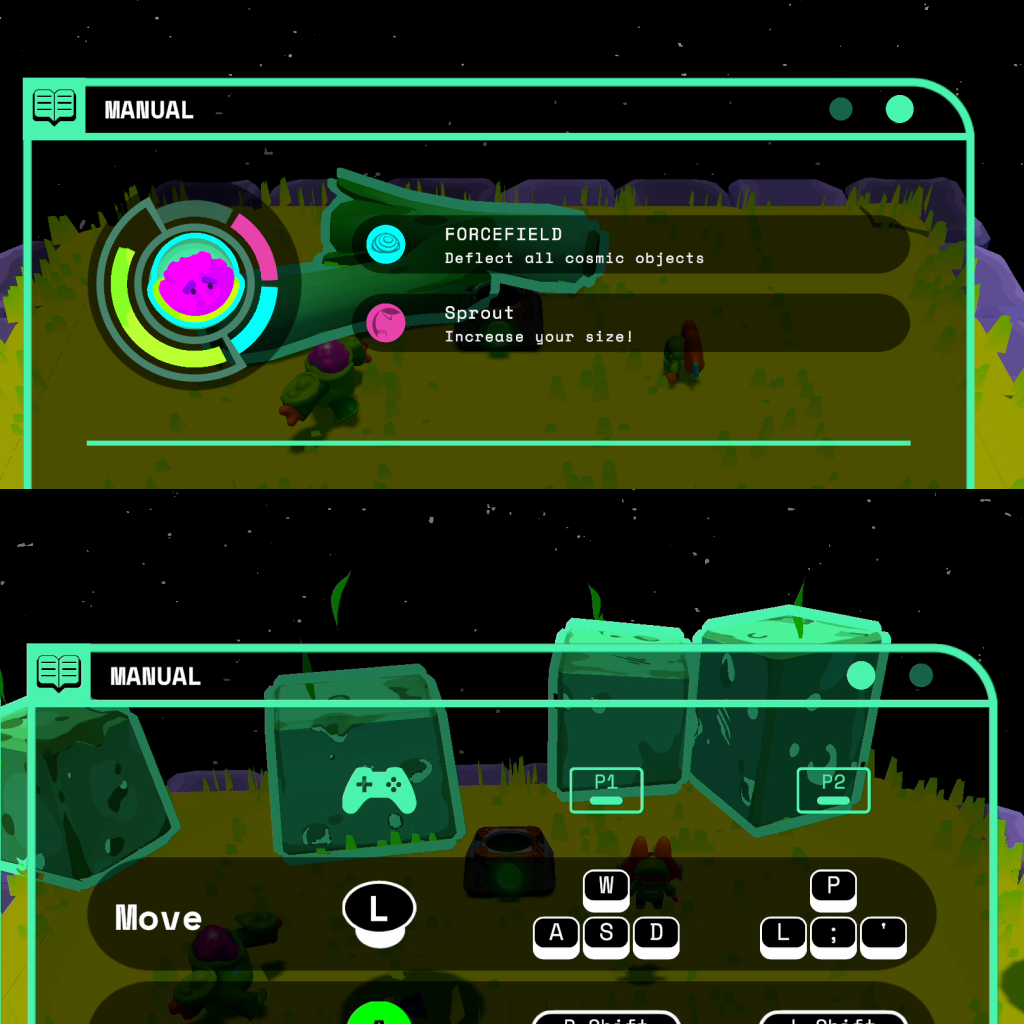
Present Dense Info
Capture Gameplay Data
UX Flow
Designed for Quick Scanning
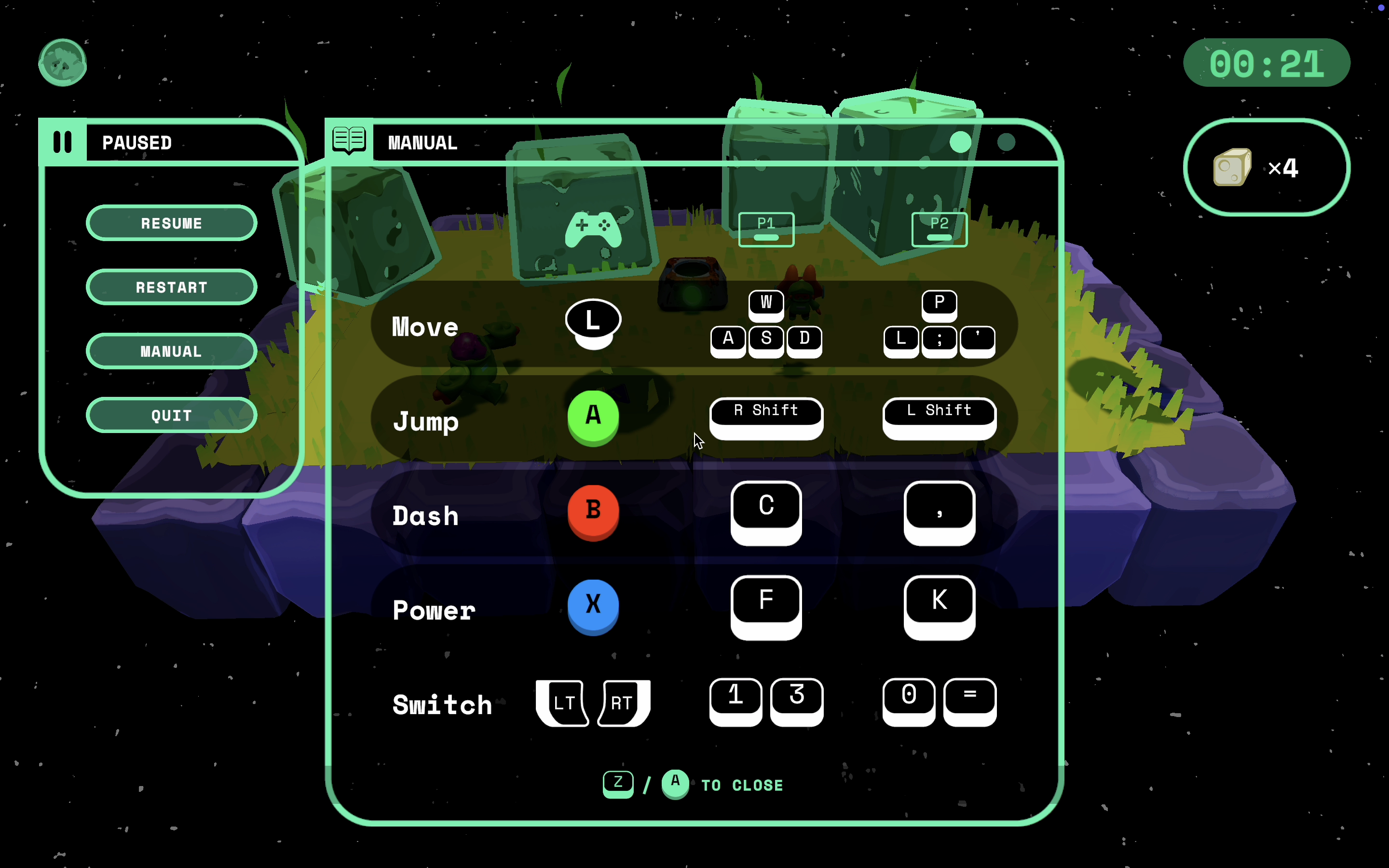
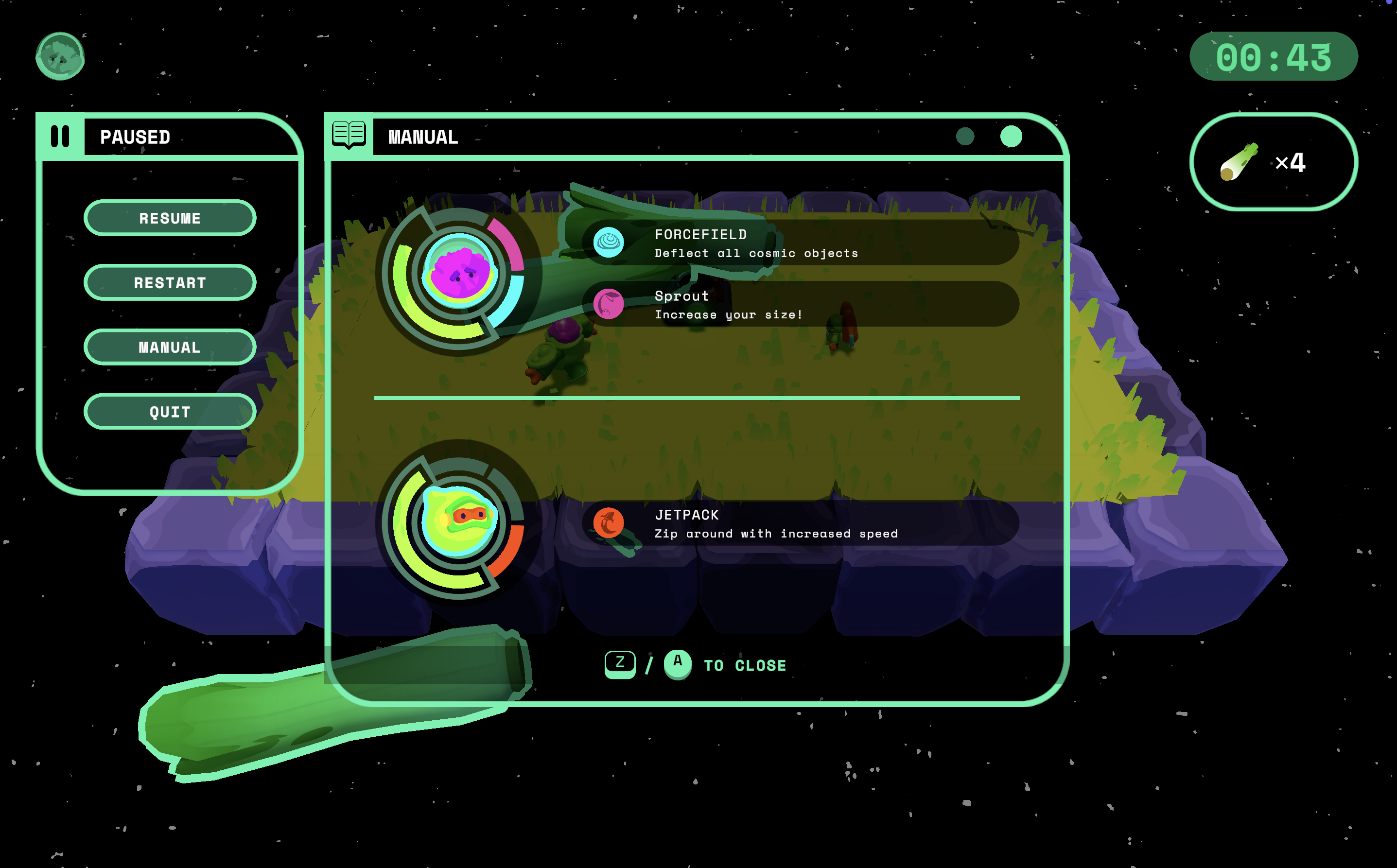
Information-dense panels expand to take focus only when players choose to engage, allowing clarity without overwhelming the ongoing play space.
UI Design
Reflecting the World Back to the Player
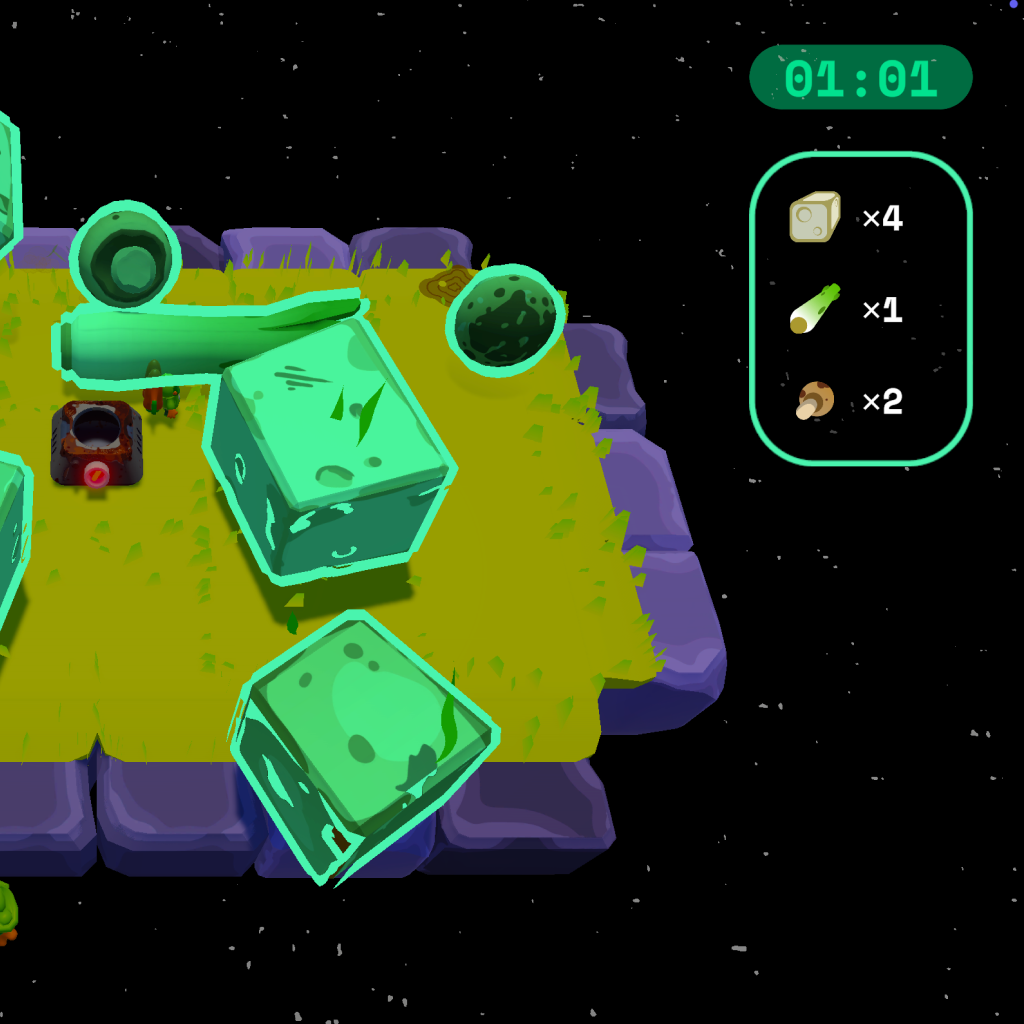
The pause screen passively responds to the live game state, surfacing counts of on-screen obstacles so it feels like an extension of the world rather than a static overlay.
Process
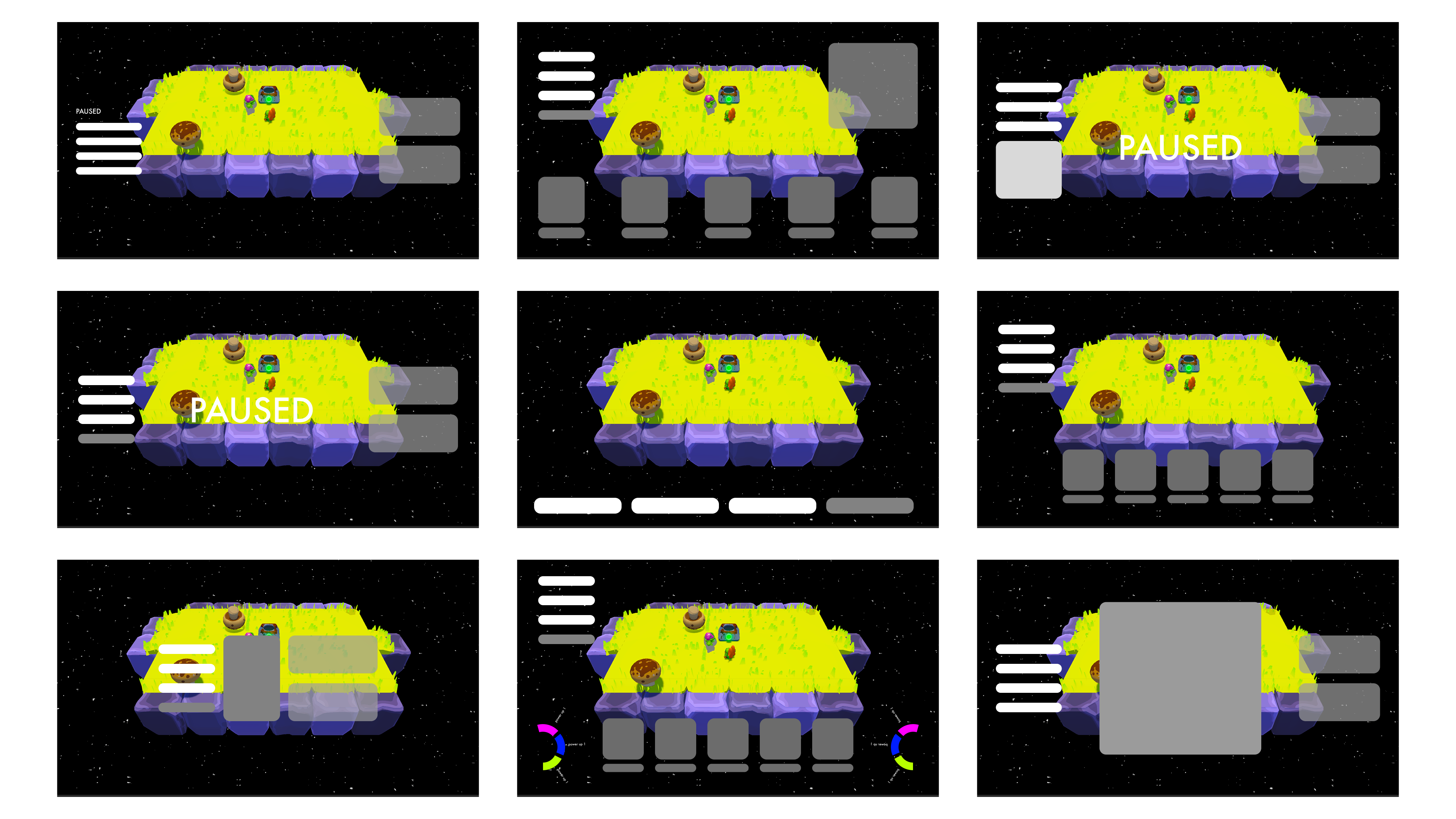
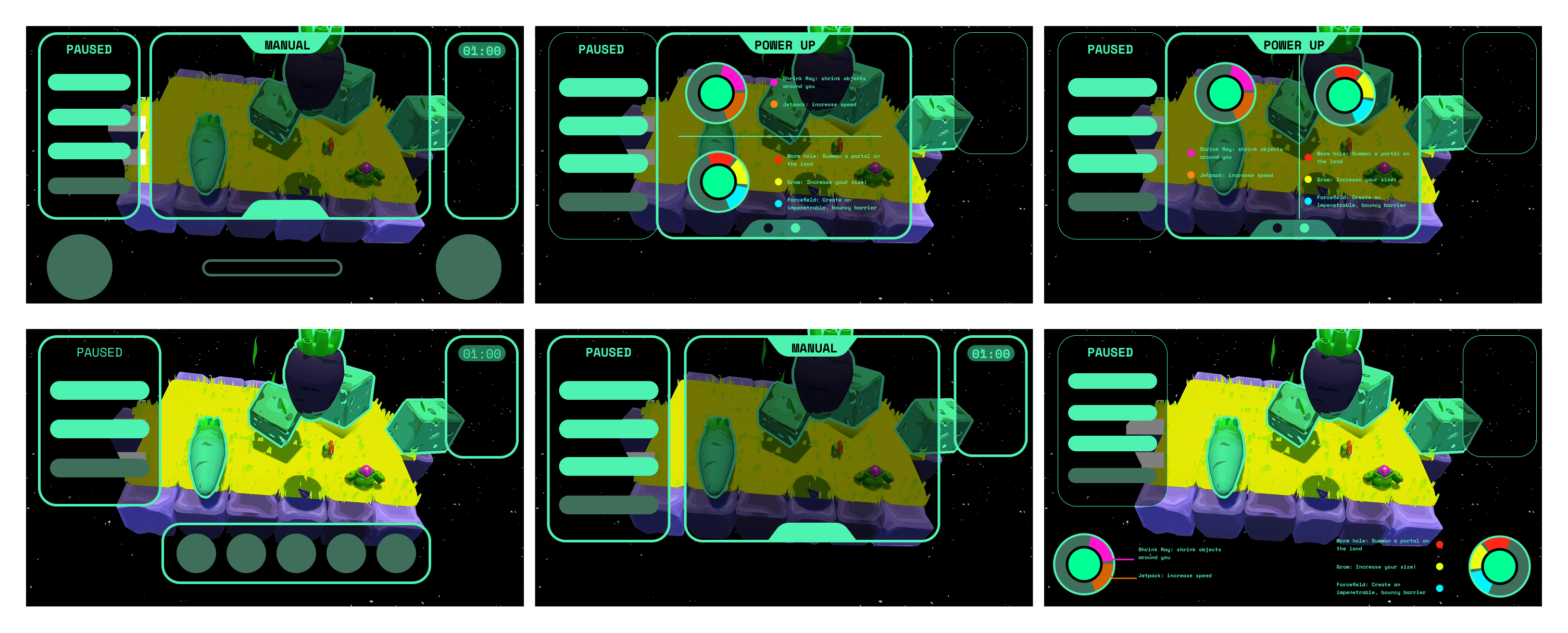
Starting With Player Intent
The pause screen was shaped by a simple question: what do players need first when they pause? Every layout decision flowed from that lens.
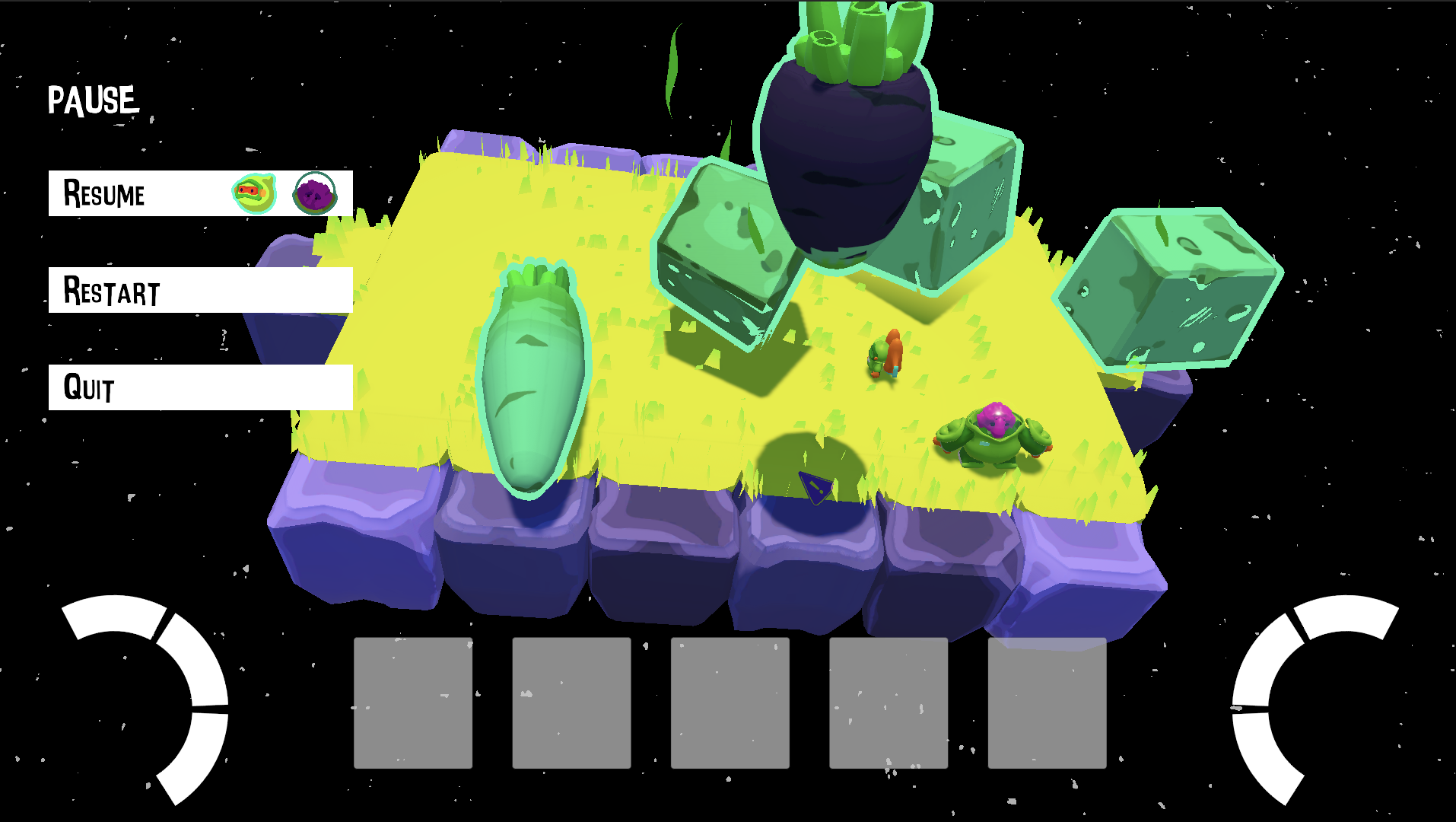
Feature
Grounding the Ending in the Game World
Building on the pause screen's live feedback, the ending screen reflects the final state of play—presenting key information clearly while the world resolves behind it.